Last updated: February 10, 2026
Sapiens vs Homo Deus: Head to Head Comparison
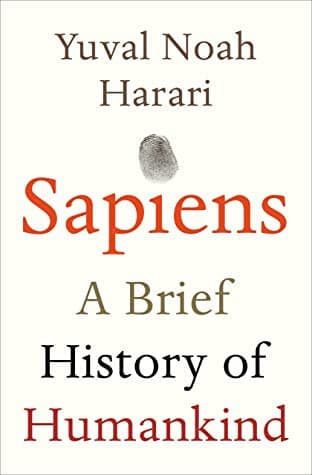
Sapiens
by Yuval Noah Harari
💡 We earn from qualifying purchases. Learn more
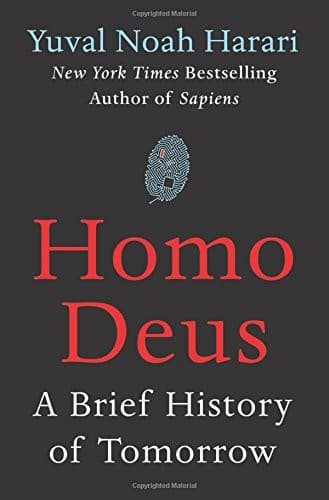
Homo Deus
by Yuval Noah Harari
💡 We earn from qualifying purchases. Learn more
Quick Comparison
| Feature | Sapiens | Homo Deus |
|---|---|---|
| Time Focus | Past: 70,000 years of human history | Future: Where humanity is headed |
| Central Question | How did humans conquer the world? | What will we become? |
| Core Themes | Cognitive Revolution, Agricultural Revolution, Scientific Revolution | Dataism, immortality, happiness engineering |
| Tone | Explanatory, retrospective, mind-expanding | Speculative, provocative, sometimes unsettling |
| Difficulty Level | Accessible—complex ideas explained clearly | Denser—requires focus and rereading |
| Page Count | 443 pages | 450 pages |
| Ratings | 156,000 at 4.6 | 87,000 at 4.4 (lower) |
| Feature | Sapiens | Homo Deus |
|---|---|---|
| Time Focus | Past: 70,000 years of human history | Future: Where humanity is headed |
| Central Question | How did humans conquer the world? | What will we become? |
| Core Themes | Cognitive Revolution, Agricultural Revolution, Scientific Revolution | Dataism, immortality, happiness engineering |
| Tone | Explanatory, retrospective, mind-expanding | Speculative, provocative, sometimes unsettling |
| Difficulty Level | Accessible—complex ideas explained clearly | Denser—requires focus and rereading |
| Page Count | 443 pages | 450 pages |
| Ratings | 156,000 at 4.6 | 87,000 at 4.4 (lower) |
Strengths & Weaknesses
Sapiens
✓ Strengths
- ✓Harari argues shared myths like money, nations, and human rights let strangers cooperate at massive scale
- ✓The Cognitive Revolution 70,000 years ago when humans gained imagination explains our dominance over stronger species
- ✓Agricultural Revolution framing as humanity's biggest mistake challenges progress narratives with wheat domesticating us
- ✓The storytelling approach makes anthropology and history feel urgent and relevant to modern life
✗ Weaknesses
- ✗Some historians criticize Harari for oversimplifying complex debates into catchy soundbites
- ✗The sweeping generalizations about hunter gatherers versus farmers ignore significant cultural variations
- ✗Limited citations make it hard to verify claims or dig deeper into the research
Homo Deus
✓ Strengths
- ✓The future scenarios of dataism and techno religions feel prescient given AI and algorithm dominance today
- ✓Harari questions whether consciousness matters if algorithms know us better than we know ourselves
- ✓The three human agenda items of immortality, happiness, and divinity frame our technological ambitions clearly
- ✓Challenging humanism as just another myth forces you to question assumptions about human specialness
✗ Weaknesses
- ✗The speculative future focus lacks the grounding in evidence that made Sapiens feel authoritative
- ✗Some predictions about AI and bioengineering feel more science fiction than rigorous analysis
- ✗The pessimistic tone about technology can overshadow potential benefits and human adaptation capacity
Memorable Quotes
Sapiens
💭 "We did not domesticate wheat. It domesticated us."
💭 "How do you cause people to believe in an imagined order such as Christianity, democracy, or capitalism? First, you never admit that the order is imagined."
💭 "Large numbers of strangers can cooperate successfully by believing in common myths."
💭 "The Agricultural Revolution was history's biggest fraud."
💭 "Biology enables, culture forbids."
Homo Deus
💭 "In the twenty-first century, humans are likely to make a serious bid for immortality."
💭 "Homo sapiens is likely to upgrade itself into Homo deus."
💭 "Dataism says that the universe consists of data flows, and the value of any phenomenon or entity is determined by its contribution to data processing."
💭 "What will happen to society, politics and daily life when non-conscious but highly intelligent algorithms know us better than we know ourselves?"
Why Read This?
Sapiens
- •You want to understand how we got here—not just dates/events but why humans became dominant species
- •You're tired of history books that put you to sleep—this reads like mind-blowing dinner party conversation
- •You need context for understanding modern problems—immigration, inequality, climate change make more sense after Sapiens
- •Everyone's talking about this book—if you want to join conversations about human nature, this is required reading
Homo Deus
- •You're genuinely curious (and maybe anxious) about where AI, biotech, technology taking humanity
- •You want to think critically about future before it arrives—Homo Deus gives framework to evaluate what's coming
- •You loved Sapiens and want to extend thinking forward instead of backward
- •You work in tech and need philosophical context for what you're building—essential reading for anyone shaping future
🏆 The Verdict
Sapiens wins decisively—156,000 at 4.6 vs 87,000 at 4.4 (79% more readers, higher rating). Sapiens is foundational history everyone should read. Homo Deus is speculative sequel for those fascinated by Sapiens who want future predictions. Sapiens answers 'how did we get here' with archaeological evidence (Göbekli Tepe temple 9500 BCE, skeletal data showing farmers shorter/sicker than hunter-gatherers, genetic bottleneck 70,000 years ago). Homo Deus tackles 'where are we going' with 2015 speculation (Dataism, useless class, biotech inequality). Sapiens provides mind-expanding foundation (Cognitive Revolution, Agricultural Revolution as fraud, Imagined Orders, shared myths). Homo Deus extrapolates to AI/biotech futures. Sapiens essential, Homo Deus optional.
Read Sapiens FIRST—it's one of 21st century's most important books, genuinely accessible for anyone curious about humanity. Published 2011 Hebrew, 2014 English, 156,000 at 4.6. You'll get 443 pages covering 70,000 years: Cognitive Revolution (language discussing fiction enabled mass cooperation via shared myths—Christianity united crusaders, nations united millions, money/corporations are imagined orders), Agricultural Revolution ('history's biggest fraud'—wheat domesticated us, farmers worked 12-hour days vs hunter-gatherers' 3-6 hours, skeletal evidence shows shorter height/worse health, but population boomed so we couldn't reverse), Scientific Revolution (empirical methodology, European empires). Harari cites DNA evidence (Sapiens left Africa 70,000 years ago), Göbekli Tepe (religion BEFORE agriculture), Dunbar's number (chimps cooperate in groups of 50, humans in millions via myths). Warning: historians say he oversimplifies (agriculture not uniformly bad), Western-centric bias (light on Islamic Golden Age, Chinese dynasties), 'Imagined Orders' philosophically shallow (John Searle's institutional facts ignored). Read it, discuss with friends, your worldview will shift. THEN read Homo Deus if you loved Sapiens and want future speculation—at 450 pages, 87,000 at 4.4, Harari's 2015 sequel predicts: Dataism (algorithms > human judgment, we trust Netflix/Google Maps over ourselves), humanism's end (what happens when AI knows your feelings better than you?), useless class (AI eliminates truck drivers, radiologists, writers—what do masses do?), biotech inequality (rich get CRISPR, neural implants, anti-aging → biological castes). Prophetic on algorithm dependence, early on CRISPR/Neuralink. Warning: pure speculation (2026 shows AI augments more than replaces per David Autor), dystopia without solutions, philosophically thin on consciousness (ignores Chalmers' hard problem), less cohesive than Sapiens. Read ONLY if Sapiens captivated you.
You Might Also Like
More comparisons in this category to help you make the right choice
Explore More Comparisons
Browse all our book comparisons across different genres
All ComparisonsExplore comparisons by category: History & Philosophy and more
Browse CategoriesHave a comparison request? We'd love to hear from you!
Request Comparison