Last updated: February 13, 2026
Think and Grow Rich vs Rich Dad Poor Dad: Head to Head Comparison
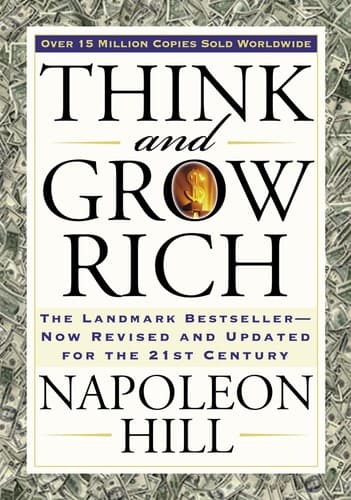
Think and Grow Rich
by Napoleon Hill
💡 We earn from qualifying purchases. Learn more
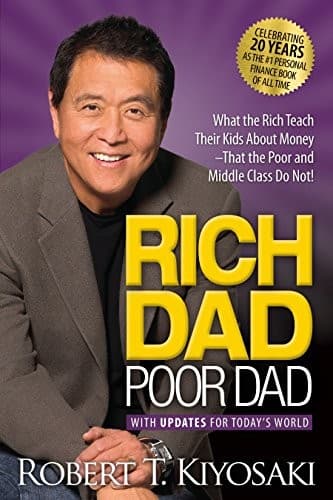
Rich Dad Poor Dad
by Robert T. Kiyosaki
💡 We earn from qualifying purchases. Learn more
Quick Comparison
| Feature | Think and Grow Rich | Rich Dad Poor Dad |
|---|---|---|
| Core Focus | Mindset & desire | Assets vs liabilities |
| Year Published | 1937 | 1997 |
| Main Framework | 13 principles of success | Cashflow Quadrant |
| Actionability | Philosophical/mindset | Specific tactics |
| Rating | 4.6 stars (158K ratings) | 4.7 stars (89K ratings) |
| Pages | 238 pages | 336 pages |
| Writing Style | Formal, dated language | Conversational, accessible |
| Best For | Success mindset | Financial education |
| Feature | Think and Grow Rich | Rich Dad Poor Dad |
|---|---|---|
| Core Focus | Mindset & desire | Assets vs liabilities |
| Year Published | 1937 | 1997 |
| Main Framework | 13 principles of success | Cashflow Quadrant |
| Actionability | Philosophical/mindset | Specific tactics |
| Rating | 4.6 stars (158K ratings) | 4.7 stars (89K ratings) |
| Pages | 238 pages | 336 pages |
| Writing Style | Formal, dated language | Conversational, accessible |
| Best For | Success mindset | Financial education |
Strengths & Weaknesses
Think and Grow Rich
✓ Strengths
- ✓The OG success book-influenced every self-help author since 1937
- ✓13 principles (desire, faith, autosuggestion, specialized knowledge) still hold up
- ✓Burning desire concept is powerful-Hill makes you believe anything's possible
- ✓Mastermind principle changed how I think about surrounding yourself with achievers
- ✓Historical interviews with Carnegie, Ford, Edison give it gravitas
✗ Weaknesses
- ✗1937 language feels super dated-sexist and formal in places
- ✗Light on concrete financial tactics-it's all mindset
- ✗The 'sex transmutation' chapter is...weird and outdated
- ✗Some principles feel repetitive after 238 pages
Rich Dad Poor Dad
✓ Strengths
- ✓Assets vs liabilities distinction is brilliantly simple-your house isn't an asset
- ✓Cashflow Quadrant (E, S, B, I) shows the path from employee to investor
- ✓Conversational style makes finance accessible to anyone
- ✓Specific examples: real estate, businesses, stocks that generate cashflow
- ✓Changed millions of minds about working for money vs building assets
✗ Weaknesses
- ✗'Rich Dad' might be fictional-controversy over whether he existed
- ✗Oversimplifies real estate investing-makes it sound easier than it is
- ✗Kiyosaki's later books and seminars feel like cash grabs
- ✗Some financial advice is debatable (like saying your home isn't an asset)
Memorable Quotes
Think and Grow Rich
💭 "Whatever the mind can conceive and believe, it can achieve."
💭 "Strength and growth come only through continuous effort and struggle."
💭 "The starting point of all achievement is desire."
💭 "A goal is a dream with a deadline."
💭 "You are the master of your destiny. You can influence, direct and control your own environment."
Rich Dad Poor Dad
💭 "The poor and middle class work for money. The rich have money work for them."
💭 "An asset puts money in your pocket. A liability takes money out of your pocket."
💭 "The single most powerful asset we all have is our mind."
💭 "Winners are not afraid of losing. But losers are. Failure is part of the process of success."
💭 "It's not how much money you make. It's how much money you keep."
Why Read This?
Think and Grow Rich
- •You want the foundational success mindset book that influenced everything
- •You need to develop burning desire and faith in your goals
- •You're interested in the history of self-help and success literature
- •You want timeless principles over specific tactics
- •You can handle dated language for wisdom that transcends eras
Rich Dad Poor Dad
- •You want to understand assets, liabilities, and cashflow basics
- •You're sick of trading time for money and want passive income
- •You need financial education your school never taught you
- •You want accessible, conversational financial advice
- •You're interested in real estate and business ownership
🏆 The Verdict
Rich Dad Poor Dad wins for most people-4.7 vs 4.6 stars, and way more actionable. Kiyosaki teaches assets vs liabilities and the Cashflow Quadrant (Employee, Self-Employed, Business Owner, Investor). You get specific financial education. Think and Grow Rich is the mindset foundation-desire, faith, persistence-but it's philosophical with 1937 language that feels dated. Both are worth reading, but Rich Dad gives you tactics you can use immediately. Think and Grow Rich gives you the why; Rich Dad gives you the how.
Read Rich Dad Poor Dad first-336 pages that'll change how you see money. The core lesson: assets put money in your pocket (rental properties, businesses, stocks), liabilities take money out (your house, car, lifestyle inflation). Move from the E (Employee) quadrant to B (Business) and I (Investor) quadrants. Then read Think and Grow Rich for the mindset foundation-burning desire, faith, persistence, mastermind groups. Hill's 13 principles are timeless even if the language is dated. Start with Rich Dad for financial literacy, add Think and Grow Rich for success philosophy. Together they're unstoppable.
You Might Also Like
More comparisons in this category to help you make the right choice
Explore More Comparisons
Browse all our book comparisons across different genres
All ComparisonsExplore comparisons by category: Finance & Investing and more
Browse CategoriesHave a comparison request? We'd love to hear from you!
Request Comparison